 By Doug Hartley
 No. You should NOT buy a Non-Owner Policy if you own a car or are a co-owner of a vehicle. If you need an Oregon SR22 and are listed on the registration of any vehicle anywhere, you should buy a regular Owner-Operator policy and list that car. That company can then issue the SR22 for Oregon. If your current auto insurance carrier won't issue an SR22 filing, call us. You might just be surprised at how much money we can save you, even if you need an Oregon SR22. To complete a quote request for a regular car policy with SR22, click here and uncheck the "Do you only need a Non-Owner Policy?" question. The exception to this rule is if your vehicle is broken down and not drivable. We can sell you a Non-Owner Policy, provided you convert it to an Owner-Operator policy once you've repaired your car and before you start driving. Otherwise, there will be no coverage. No clause gives you 30 days, for example, to put it back on. You will NOT be covered until you put the car back on the policy.
By Doug Hartley It's hard enough to find an auto insurance company in Oregon that offers SR22 filings. It's even harder to find a policy that provides SR22 filings for drivers who need SR22 but don't own a car. We've done our homework and found a few good companies that do offer the Non-Owner SR22 in Oregon at competitive prices. Call or text us at 503-693-2852 (InsureSource) or 503-489-3143 (Pulse Insurance), and we'll be happy to give you a quote. Typically, the price is lower than that of a regular car policy because the company assumes you'll likely be driving other people's cars and will initially be covered under their policy.
By Doug Hartley
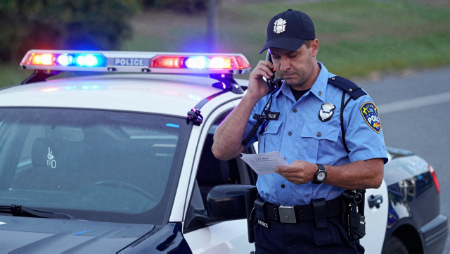 A police officer, who has a gentleman pulled over, just called me. The officer was looking at the registration card the driver provided, and in the police computer connected to the Oregon DMV, both sources clearly show the driver to be the registered owner. The problem is that the owner of the vehicle had purchased a NON-OWNER POLICY. It doesn't cover a car owned by the insured. A non-owner policy only covers the driver while driving other people's vehicles on a secondary basis. It is not meant to be a BROAD FORM POLICY available in some states, which covers the driver in ANY car, owned or not. And the officer stated that the driver had a suspended license. Both the suspended license and the uninsured vehicles are cause for the arresting officer to have the car towed and the license confiscated.
Page 5 of 5

Mailing Address:
1224 NE Walnut St. #243
Roseburg, Oregon 97470
503-693-2852