 By Doug Hartley
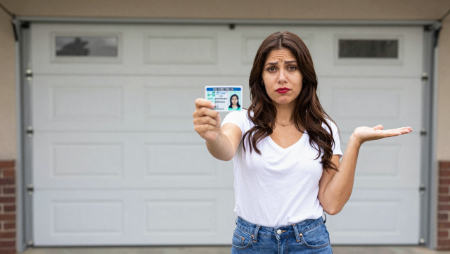 An SR22 Named-Operator policy is a type of car insurance policy where only the operator or driver is named on the policy. The policy is so named because it assumes the insured driver does not own a car. It is also more commonly known as a Non-Owner Policy. There are rare circumstances in which a driver must carry an SR22 certificate to keep their driver's license active, but does not own a car.
By Doug Hartley
Is auto insurance required by your employer or by the DMV, but you don't own a vehicle? Many insurance companies and insurance agencies will not write what is usually referred to as "Non-Owner" insurance policies. They are difficult to price and can be challenging to understand. Probably the most important thing to remember is that coverage provided by these policies is best considered secondary coverage.
Oregon requires that for a vehicle to be currently registered, viewable by the public (yes, that includes sitting in your driveway), and/or driven on the roads, the owner must have insurance on that vehicle. The car, not the driver, is required to be insured.
By Doug Hartley
 A Named-Operator auto insurance policy provides the same list of coverages as the Non-Owner Policy. It will cover any injuries the driver may cause to other pedestrians or passengers in another vehicle. Damage to the car or property of another is also covered on the Named-Operator Policy. Injury sustained by the driver listed under the Named-Operator Policy will be covered if someone hits him who is not insured. Also, if the driver sustains an injury in an automobile-related accident, regardless of whose fault it is, his policy will pay medical and other related expenses. There are limits for each of these coverages, and you should review the policy and coverages with an experienced, licensed, and authorized insurance agent.
By Doug Hartley
No! It is assumed that any car you drive when you buy a Non-Owner Policy in Oregon DOES NOT belong to you. In other words, it doesn't make sense for you to purchase a Non-Owner policy if you own a car. Owning a car is defined as having a vehicle registered in your name in the database of the Oregon DMV or any other state, for that matter. So, we presume that if you buy a Non-Owner policy, you will be driving vehicles that belong to someone else.
By Doug Hartley
Getting a Non-Owner Policy quote is simple. We need just four items of information:
By Doug Hartley
Up until the mid-1990s, a driver could purchase a type of insurance that covered just him while driving any car, owned or not. It was called a Broadform Policy. Oregon changed the law around that time to state that every VEHICLE shall be insured by its owner. That law made the Broadform obsolete. It was an excellent way for someone who owned multiple older cars and only needed liability coverage to drive their choice of car for the day. Not anymore. If someone owns numerous cars they each must be named and insured on a policy. The days of a Broadform are over in Oregon...for now.
By Doug Hartley
Oregon requires every registered vehicle to carry auto insurance, whether parked, stored, broken down, or in full use. If the tags are valid, the car must be insured. If you need insurance due to a ticket or other infraction and don't own a car, you'll need to purchase a Non-Owner Policy. Some people refer to this type of insurance as "covering your license". Maybe that's true. It keeps your license from being suspended. But it covers a lot more. It covers YOU. It also covers passengers riding with you in the car. Moreover, it covers the people in the other car if you injure them in an accident. And it covers the vehicle or property of others if you run into it.
Page 3 of 5
Mailing Address:
1224 NE Walnut St. #243
Roseburg, Oregon 97470
503-693-2852